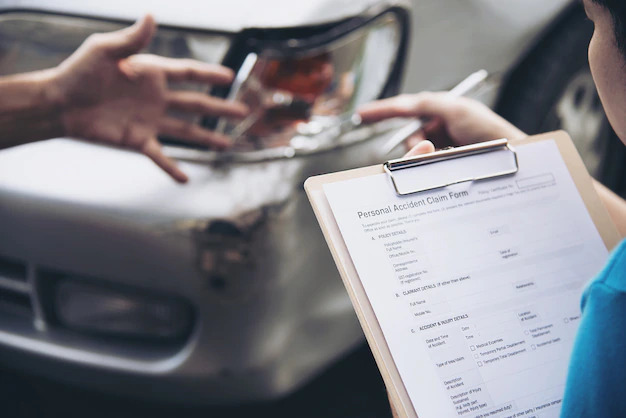
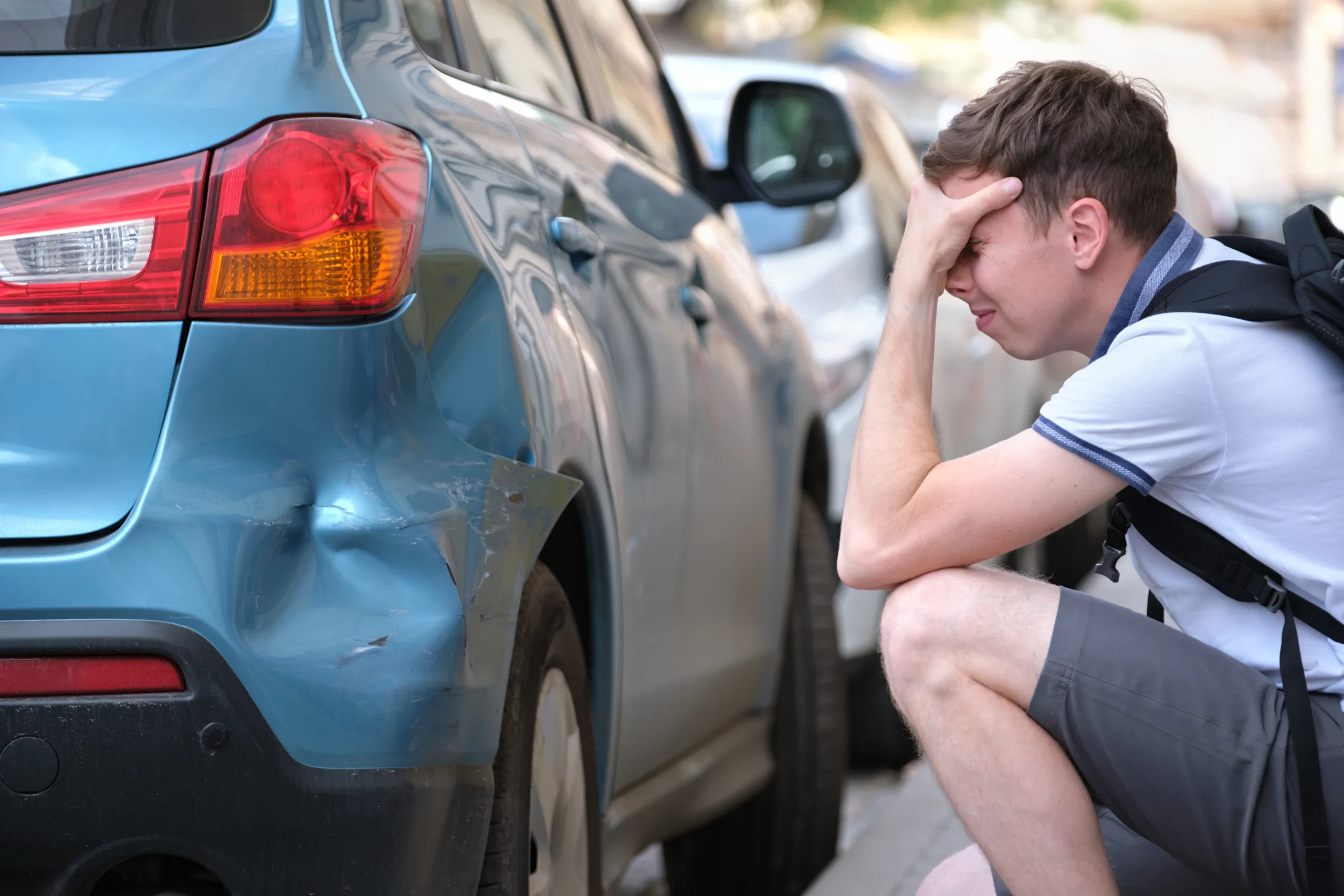
You do everything right. You carry insurance, you drive carefully, and you follow the rules of the road. Then someone runs a red light on Louisville Avenue, plows into your car, and it turns out they never bought a policy at all. In Louisiana, that is exactly the kind of situation uninsured motorist coverage is designed to address. If you already have this coverage, you may be able to recover damages from your own insurer even when the at-fault driver has no insurance or does not have enough coverage. If you rejected it or are not sure what your policy includes, this is worth a few minutes of your time.
What Is Uninsured Motorist Coverage in Louisiana?
Uninsured motorist coverage, often called UM coverage, is insurance under your own auto policy that may cover certain damages when an at-fault driver has no liability insurance. Underinsured motorist coverage, or UIM, can apply when the other driver’s liability limits are not enough to cover the damages you suffered. Louisiana law also addresses UM coverage for certain property damage. Louisiana Revised Statutes 22:1295 sets out the state’s requirements for this coverage.
For people researching uninsured motorist coverage Louisiana drivers may have, the policy’s UM selection or rejection form is an important place to start. Louisiana generally requires UM coverage for personal automobile liability policies unless the named insured properly rejects the coverage, selects lower limits, or chooses economic-only coverage as permitted by law. UM coverage generally defaults to limits matching the policy’s bodily injury liability limits, subject to statutory exceptions. Commercial automobile policies are subject to different rules under La. R.S. 22:1295(7).
The coverage you actually have depends on what was selected when the policy was issued or changed. Louisiana law permits economic-only UM coverage, which covers qualifying economic losses but not noneconomic damages such as pain and suffering. A rejection or lower-limit selection also has to meet the statutory requirements to be effective. That is why checking the actual policy and UM selection form can be important before assuming what your insurance will cover after a crash.
Why Does Underinsured Motorist Coverage Matter?
Louisiana’s minimum automobile liability limits are $15,000 for bodily injury to one person, $30,000 for bodily injury to two or more people in one accident, and $25,000 for property damage. These are the minimum amounts required under Louisiana’s financial responsibility laws.
Those limits may not be enough to cover the losses from a serious crash. Underinsured motorist coverage can become relevant when the at-fault driver’s liability insurance is available but does not provide enough coverage to compensate for the damages covered by the UM or UIM policy.
For example, if another driver has only the minimum bodily injury limits and your covered damages exceed those limits, your UIM coverage may provide an additional source of compensation, subject to your policy limits and Louisiana law. The amount available depends on the coverage you selected and the circumstances of the claim.
Louisiana’s UM Coverage Requirements
Louisiana requires drivers to maintain liability insurance, but not every driver complies with that requirement, and available liability limits may not be enough to cover serious losses. UM and UIM coverage gives insured drivers an additional source of protection when another driver’s insurance is unavailable or insufficient.
The coverage can protect you and other insured people under your policy, depending on the coverage you selected and the circumstances of the accident. It may apply to qualifying bodily injury losses and, in certain circumstances, property damage.
What to Do After an Accident With an Uninsured Driver in Louisiana
The steps you take right after a crash can help preserve evidence and make it easier to document a later UM claim. If you are involved in an accident with a driver who may be uninsured, consider these steps.
- Call law enforcement and request a crash report. The report may document the other driver’s insurance information and provide important details about how the accident happened.
- Exchange information with the other driver. Even if you believe the driver is uninsured, collect their name, contact information, driver’s license information, license plate number, and insurance information if they provide it.
- Document the accident scene. Take photographs or video of the vehicles, road conditions, traffic signs, visible injuries, and other details that may help establish what happened. If possible, do this before the vehicles are moved or repaired.
- Get medical attention for your injuries. Some injuries may not be obvious immediately after a crash. Follow your medical provider’s recommendations and keep copies of medical records, bills, prescriptions, and other treatment-related documentation.
- Notify your own insurance company. Tell your insurer about the accident and that the other driver may be uninsured or underinsured. Check your policy to determine what UM or UIM coverage may be available.
- Be careful about recorded statements and settlement offers. Your insurer may ask for a recorded statement or request information about your injuries and damages. Before providing a recorded statement or accepting a settlement, consider having the request or offer reviewed so you understand how it may affect your UM claim.
How Does an Uninsured Motorist Claim Work?
Once you report the crash, your insurer will open a claim under your UM or UIM coverage. The insurer may request the police report, medical records, wage documentation, photographs, witness information, and other evidence showing how the accident happened and the extent of your losses. You generally need to establish that the other driver was legally responsible for the accident and that you suffered damages covered by your policy.
You may also need to establish that the other vehicle was uninsured or underinsured. Louisiana law provides several forms of prima facie proof that can be used in an action against a UM insurer, including certain sworn notarized affidavits from the vehicle’s owner or operator and an affidavit from an official of the Department of Public Safety and Corrections, following the process described under Louisiana Revised Statutes 22:1295(6). The statute also contains specific requirements for using these forms of proof.
Your UM carrier is your own insurance company, but that does not mean the claim is automatically paid. The insurer will evaluate whether the policy provides coverage, whether the other driver is legally responsible, and the amount of damages supported by the evidence. Policy limits and other applicable terms can also affect how much you may recover.
Hit-and-Run Accidents and UM Coverage
A hit-and-run driver who cannot be identified may still trigger UM coverage, but special proof rules can apply. For bodily-injury claims involving an unknown vehicle that had no physical contact with the injured person or the vehicle occupied by that person, Louisiana law requires proof by an independent and disinterested witness that the injury resulted from the actions of the unknown, uninsured, or underinsured vehicle under Louisiana Revised Statutes 22:1295(1)(f).
Because of these requirements, report a hit-and-run accident to law enforcement promptly and preserve any available evidence, including photographs, video footage, vehicle damage, witness contact information, and medical records. These details may become important when establishing how the accident happened and whether UM coverage applies.
What Does Louisiana UM Coverage Cover?
UM coverage is primarily associated with bodily injury, including qualifying medical expenses, lost income, and other damages allowed under the applicable policy and Louisiana law. The amount available depends on the coverage limits and the damages that can be established.
Louisiana also has a separate provision for certain property damage caused by an uninsured motorist. Under Louisiana Revised Statutes 22:1295(1)(d), an insurer that does not provide collision coverage may be required, upon written request, to provide coverage for qualifying damage to the insured vehicle caused by an uninsured motor vehicle. The statutory coverage is subject to a $250 deductible and does not cover loss of use or amounts paid or payable under other property insurance.
Special proof requirements can apply when there is no physical contact between the vehicles. For that reason, photographs, witness information, video footage, and other evidence of how the accident occurred may be particularly important in a property-damage UM claim.
Louisiana UM Claim Deadlines
Louisiana Revised Statutes 9:5629 generally gives you two years from the date of the accident to bring an action under a UM provision. Missing this deadline generally bars recovery under the UM coverage, so it is important to address the claim within the applicable prescriptive period.
There are limited circumstances in which a timely lawsuit against the at-fault driver can interrupt prescription against a UM insurer because the tortfeasor and UM carrier may be solidarily obligated for the same damages. However, the rules surrounding interruption can be fact-specific. Once the applicable two-year period for the UM claim has already expired, a later lawsuit generally cannot revive a claim that has already been prescribed.
When Legal Help May Be Useful for a UM Claim
Insurance policies can contain detailed provisions about UM and UIM coverage, including limits, exclusions, and requirements for making a claim. Disputes may arise over whether coverage applies, who was responsible for the accident, the extent of your injuries, or the amount of your damages.
An attorney who handles UM coverage claims can review the policy and UM selection documents, assess the available coverage, gather evidence supporting liability and damages, and communicate with the insurer about the claim. If you are looking for an uninsured motorist attorney Monroe Louisiana residents can turn to after a crash, legal counsel can also help you evaluate a settlement offer and determine what evidence may be needed to support the claim.
Key Takeaways
- Louisiana generally requires UM coverage for personal automobile liability policies unless the named insured validly rejects it, selects lower limits, or selects economic-only coverage. Commercial automobile policies are subject to different rules under La. R.S. 22:1295(7).
- UM coverage generally protects against qualifying bodily injury caused by uninsured or underinsured motorists, while separate statutory rules apply to certain UM property-damage coverage.
- Louisiana Revised Statutes 9:5629 generally gives you two years from the date of the accident to bring an action under a UM provision. Exceptions involving interruption of prescription can be fact-specific.
- Reporting the accident, documenting the scene, getting medical care, and keeping records of your injuries and losses can help support a UM or UIM claim.
- Your UM claim is made against your own insurer, which will evaluate coverage, liability, damages, and the terms of the applicable policy. Reviewing the policy and any settlement offer can help you understand what is being offered and whether additional evidence may be needed.
Frequently Asked Questions
Q. Does every Louisiana auto policy include uninsured motorist coverage?\
A. Not automatically. Louisiana generally requires UM coverage for personal automobile liability policies unless the named insured properly rejects the coverage, selects lower limits, or chooses economic-only coverage as permitted by law. Commercial automobile policies are subject to different rules. Check your policy and UM selection or rejection form to confirm what coverage and limits apply to you.
Q. What is the difference between UM and UIM coverage?
A. Uninsured motorist coverage generally applies when the at-fault driver has no liability insurance. Underinsured motorist coverage may apply when the other driver’s liability coverage is less than the damages suffered, subject to Louisiana law and the terms of the applicable policy. The amount available depends on the applicable coverage limits and the damages that can be established.
Q. Can I still file a UM claim if the other driver fled the scene?
A. Potentially. Louisiana law allows UM claims involving an unknown vehicle, but special proof requirements can apply. When the unknown vehicle had no physical contact with the injured person or the vehicle occupied by that person, the injured party must prove through an independent and disinterested witness that the injury resulted from the actions of the unknown, uninsured, or underinsured vehicle under Louisiana Revised Statutes 22:1295(1)(f). Reporting the crash promptly and preserving photographs, video, vehicle damage, witness information, and medical records can help document what happened.
Q. Do I have to sue my own insurance company to use UM coverage?
A. Not necessarily. A UM claim may be resolved directly with the insurer through the claims process. A lawsuit may become necessary if there is a dispute over coverage, liability, the amount of damages, or the value of the claim. Because prescription deadlines apply, do not assume that ongoing discussions with an insurer automatically extend the time to file a lawsuit.
Q. How long do I have to bring a UM claim in Louisiana?
A. Louisiana Revised Statutes 9:5629 generally gives you two years from the date of the accident to bring an action under a UM provision. In some circumstances, a timely lawsuit against the at-fault driver can interrupt prescription against a UM insurer because the tortfeasor and UM carrier may be solidarily obligated for the same damages. However, these rules are fact-specific, and a lawsuit filed after the UM claim has already prescribed generally will not revive it.
Q. Will filing a UM claim raise my insurance rates?
A. Louisiana law prohibits an insurer from increasing your rate, adding a surcharge, canceling your policy, or refusing to renew it based on a nonfault accident or other nonfault incident. Louisiana Revised Statutes 22:1284 defines a nonfault incident as an accident or other incident involving a covered vehicle in which the insured driver was not at fault.
Q. What if the other driver had some insurance, just not enough?
A. That is where underinsured motorist coverage may apply. Louisiana law treats a vehicle as underinsured when its liability coverage is less than the damages suffered by the insured or passengers, subject to the statutory requirements and the terms of the applicable policy. The amount ultimately available depends on the damages, the other driver’s liability limits, and the applicable UM or UIM limits.
Q. Why would I need a Louisiana UM coverage attorney instead of handling the claim myself?
A. You can handle a UM claim on your own, but the process can involve policy limits, proof of the other driver’s insurance status, liability issues, medical evidence, damages, and prescription deadlines. A Louisiana UM coverage attorney can review the policy, help identify what coverage may apply, gather evidence supporting the claim, and address disputes with the insurer.
Get the Help You Need From a Monroe UM Claims Team
Being hit by a driver with no insurance, or not enough of it, is frustrating enough without also fighting your own insurance company for a fair result. E. Orum Young Law Personal Injury Attorney works with Louisiana drivers dealing with these claims, from gathering proof that the other driver was uninsured to pushing back on a settlement offer that falls short.
If you were recently in an accident with an uninsured or underinsured driver in Monroe or the surrounding area, our Monroe personal injury attorney can help you assess your options and what your policy may cover. Schedule a free case review to discuss what happened and the next steps for your claim.